28
September 2026
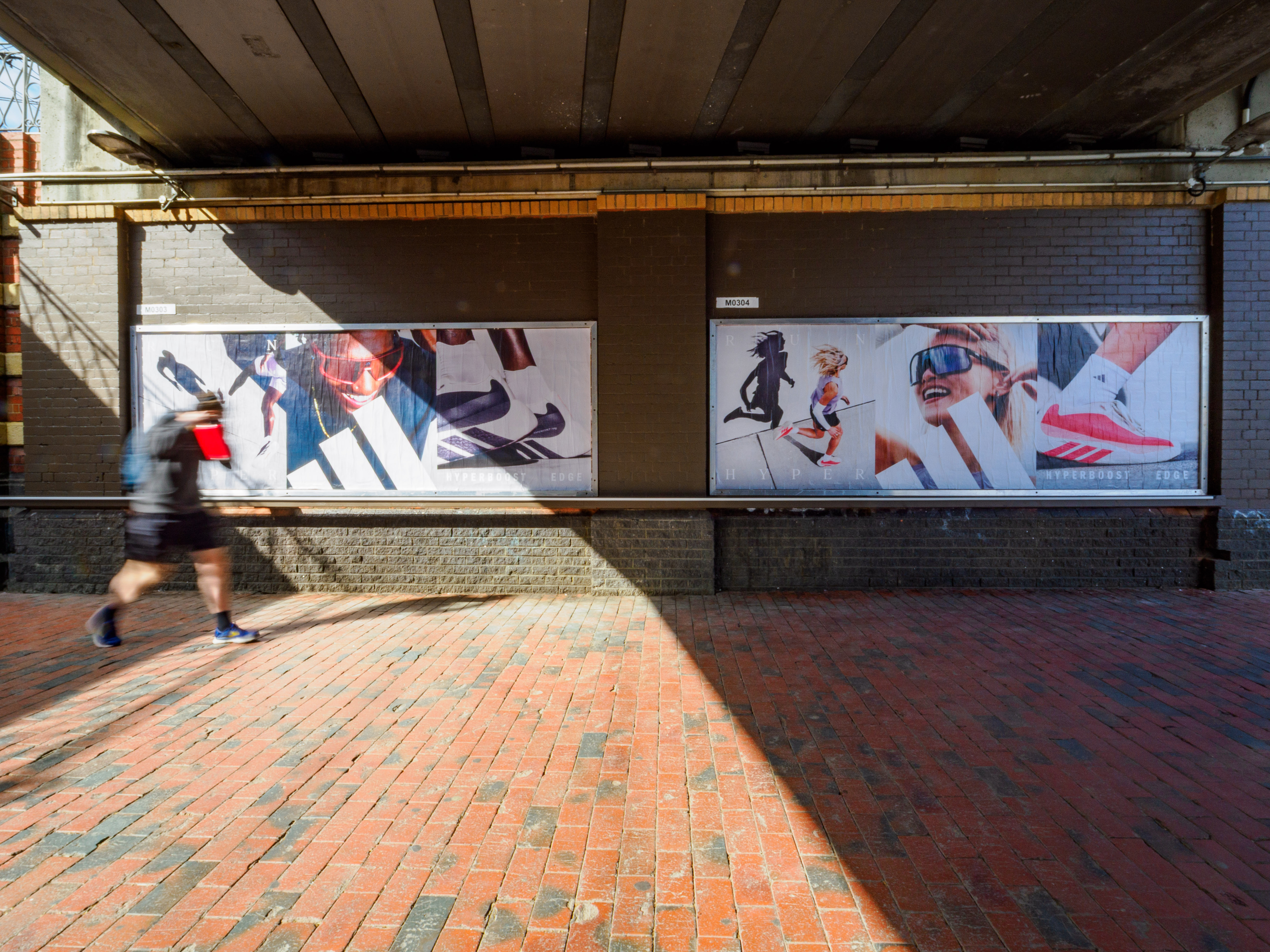
Street posters work by being where people walk, repeatedly, in the parts of a city where retail, nightlife and culture overlap. The trick is knowing which parts of which cities. Australia’s eastern seaboard has hundreds of busy-looking streets, but only a fraction combine the foot traffic, dwell time and audience profile that make a poster campaign pay off.
This is the short version. If you want precinct-by-precinct detail, foot-traffic figures and planning tips for a specific city, each section below links to a full guide.
The short answer
Where is street poster advertising most effective in Australia? In the dense, pedestrian-first inner suburbs of Sydney, Melbourne and Brisbane, particularly entertainment and independent retail strips. The standout precincts are Newtown, Surry Hills and Darlinghurst in Sydney; Fitzroy, Collingwood, Brunswick, Richmond and Windsor in Melbourne; and Fortitude Valley, West End and the Queen Street Mall surrounds in Brisbane.
Which Australian city is best for outdoor poster ads? Melbourne has the deepest network of poster-friendly high streets and the most street-literate audience. Sydney offers the highest-value audiences in a compact inner ring. Brisbane has the fastest-growing city centre of the three, with CBD foot traffic already above 2019 levels.
Why location decides whether a poster campaign works
Four things separate a strong poster site from a weak one:
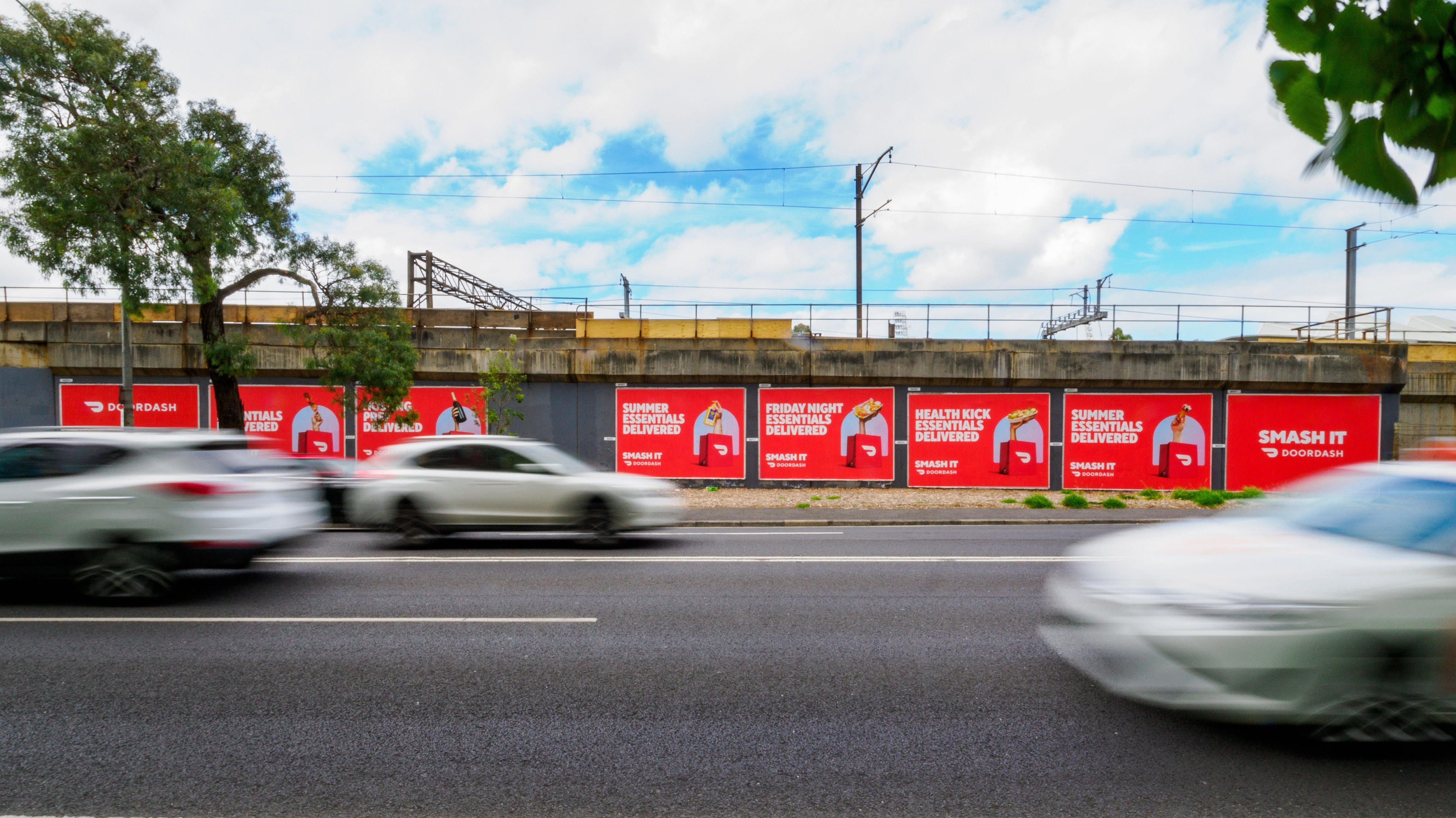
- Pedestrian volume, not vehicle volume. Posters are read at walking pace from a few metres away. A busy arterial road is a billboard location, not a poster location.
- Repeat exposure. Posters run across many sites so the same person sees the message several times in a week. That needs streets people walk habitually: to the station, the gym, the cafe, the pub.
- Audience fit. Poster audiences skew young, urban and culturally active, which is why the format is so strong for music, arts, festivals, fashion, food and beverage, and challenger brands.
- Environmental fit. A poster on an inner-city laneway hoarding reads as culture. The same poster in a business park reads as clutter.
The stakes are rising because the channel is growing. The Outdoor Media Association reported 2025 net media revenue of $1,449.5 million, up 11.43 per cent, and first-half 2026 revenue of $744.1 million, up 6.51 per cent, with the street furniture and small-format category growing from $152.1 million to $168.7 million over the half.
The effectiveness evidence points the same way. Analytic Partners’ Australian marketing mix modelling, built on more than $30 billion of ad spend across 700-plus studies, found that combining classic printed and digital out-of-home returned 39 per cent more ROI than digital-only OOH, and that suburban placements delivered up to 37 per cent stronger returns than CBD-only activity. Earlier work from the same firm found campaigns running beyond eight weeks returned nearly double the ROI of two-week bursts. Printed posters in the right inner suburbs sit inside every one of those findings.
Sydney: where to run street posters
Sydney’s geography squeezes its walkable audiences into a handful of tight precincts within a few kilometres of the CBD.
- Newtown and Enmore (Inner West): the longest continuous independent retail and live music strip in the city, running from the University of Sydney past Newtown station to the Enmore Theatre. The single best precinct in Sydney for music, festivals, film and youth brands.
- Surry Hills and Darlinghurst: one of the densest suburbs in Australia, at roughly 12,000 residents per square kilometre (ABS 2021 Census), with Crown Street, Oxford Street and Taylor Square as the poster corridors. Ideal for hospitality, fashion and premium challenger brands.
- Sydney CBD: George Street’s pedestrian boulevard, Pitt Street Mall and the new Metro stations. Central now handles about 22,800 weekday metro trips and Martin Place 20,600, on top of the existing rail load, which is reshaping where CBD foot traffic concentrates.
- Bondi and Bondi Junction: affluent, fitness-focused, weekend-heavy. Best for wellness, apparel, tourism and consumer tech.
Melbourne: where to run street posters
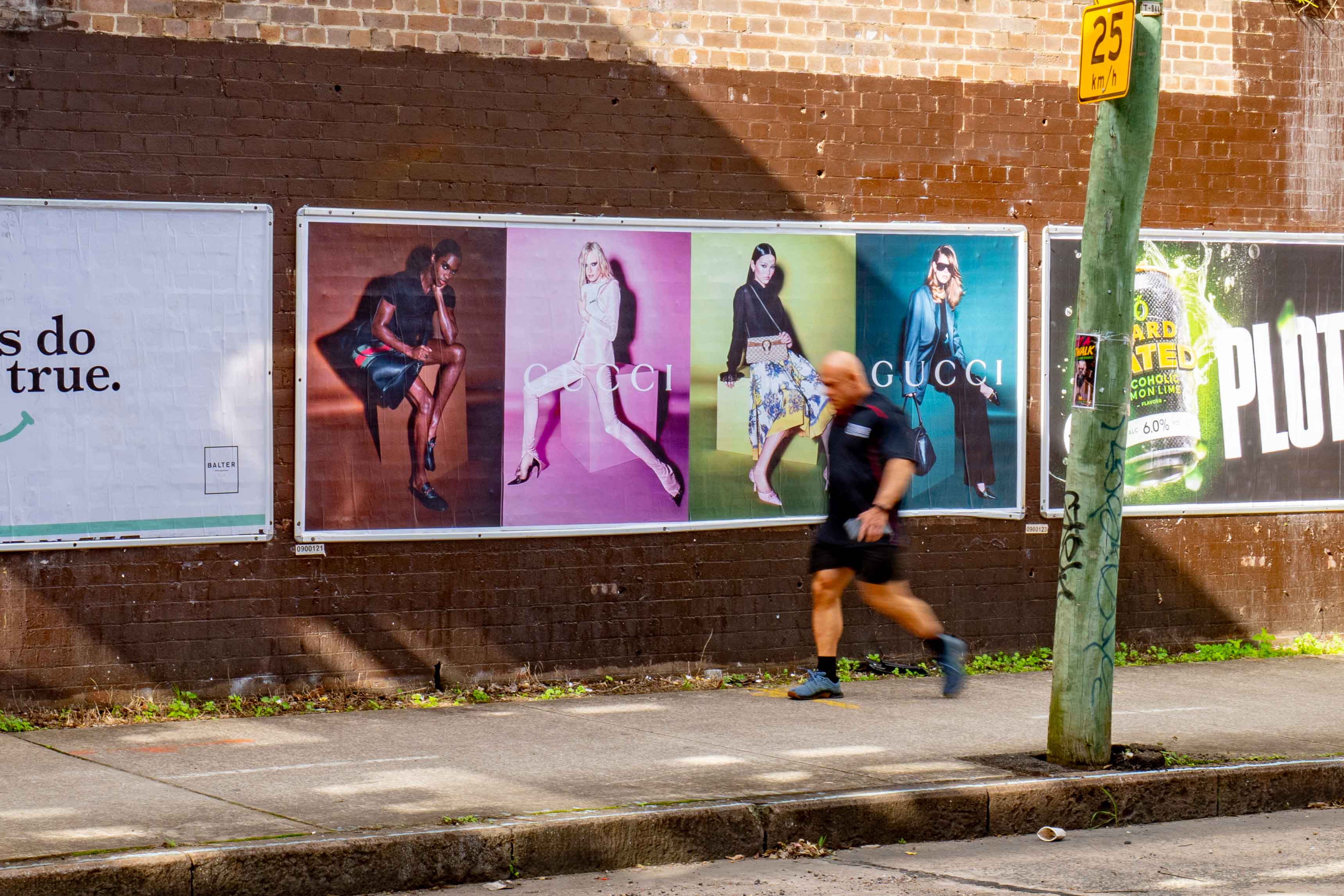
Melbourne is the strongest street poster market in Australia. Its grid, tram network and long inner-suburban high streets create dozens of kilometres of poster-friendly streetscape, and the city has a long habit of reading the street.
- Fitzroy and Collingwood: Brunswick Street, Smith Street, Gertrude Street and Johnston Street. The benchmark poster precinct in the country for music, arts, fashion and beverage.
- Melbourne CBD: Swanston Street, Bourke Street Mall and the laneways. The City of Melbourne has run automated pedestrian sensors since 2009; its busiest location, Melbourne Central, has historically averaged around 1,087 pedestrians an hour.
- Brunswick, Carlton and the inner north: Sydney Road, Lygon Street and High Street Northcote. The pick for student and youth audiences at scale.
- Richmond and Windsor: Swan Street, Bridge Road and Chapel Street. Hospitality, nightlife and the MCG and AAMI Park sporting catchment.
- St Kilda: Acland and Fitzroy Streets for tourism, summer and events.
Brisbane: where to run street posters
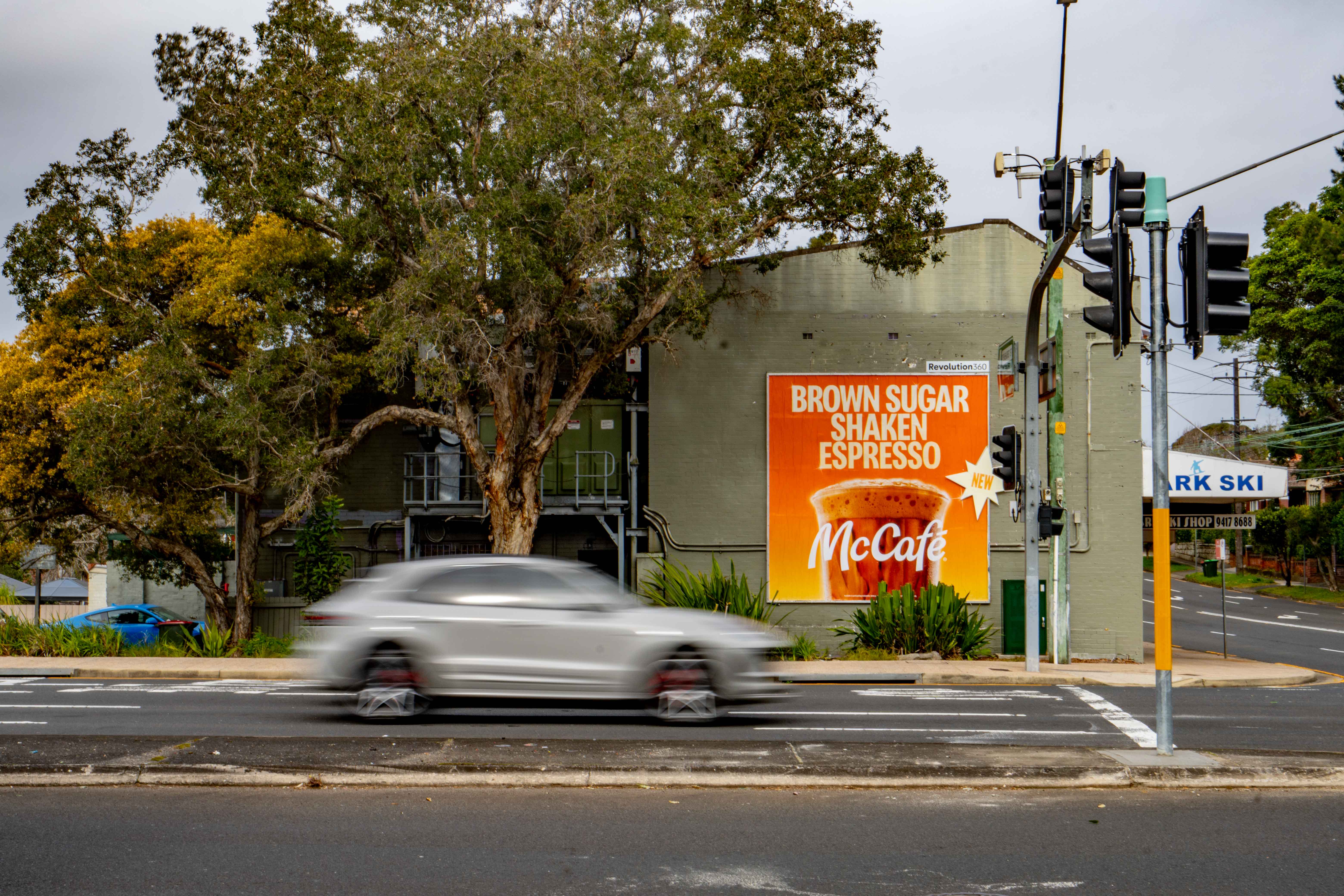
Brisbane is the growth story. Colliers’ 2025 CBD Retail Report found Brisbane’s CBD foot traffic had already passed its 2019 benchmark while Sydney and Melbourne were still recovering, and the lead-in to the 2032 Olympic and Paralympic Games is pulling investment into the inner city.
- Fortitude Valley: Brunswick Street Mall, Ann Street, Wickham Street and the James Street fashion end. Australia’s first Special Entertainment Precinct and Brisbane’s nightlife and live music capital. The non-negotiable for music, beverage and youth brands.
- Queen Street Mall and the CBD: Queensland’s busiest pedestrian precinct, averaging more than 220,000 pedestrian movements a day in October 2025 according to Brisbane City Council figures, and now extending along Albert Street ahead of the Cross River Rail station opening.
- West End and South Brisbane: Boundary Street’s independent, arts-literate strip, a short walk from South Bank and the Cultural Centre.
- Paddington, New Farm, Milton and Woolloongabba: affluent village strips plus event-day crowds at Suncorp Stadium and the Gabba.
Choosing between them: four rules of thumb
Match the precinct to the audience, not the map. A festival belongs on King Street, Brunswick Street and in the Valley before it goes near a CBD mall. A department-store sale should do the opposite.
Layer CBD reach with inner-suburban frequency. The finding that suburban placements outperform CBD-only activity by up to 37 per cent is a strong argument for splitting budget between the city centre and two or three inner precincts.
Plan for hybrid-work rhythms. Weekday CBD volumes in Sydney and Melbourne still sit below 2019, with the gap concentrated in commuter peaks. Inner-suburban strips have benefited from people spending more of the week close to home.
Run longer than you think you need to. Posters work through repetition, and repetition needs weeks, not days.
Frequently asked questions
Where is street poster advertising most effective in Australia?
In the dense inner suburbs of Sydney, Melbourne and Brisbane with strong live music, hospitality and independent retail: Newtown, Surry Hills and Darlinghurst; Fitzroy, Collingwood, Brunswick, Richmond and Windsor; and Fortitude Valley, West End and the Queen Street Mall surrounds.
Which Australian city is best for a street poster campaign?
Melbourne for depth and audience engagement, Sydney for audience value, Brisbane for growth and cost efficiency. Most national campaigns run all three.
How long should a street poster campaign run?
At least four weeks, ideally eight or more. Analytic Partners found OOH campaigns running beyond eight weeks delivered nearly twice the ROI of two-week campaigns.
Planning an eastern seaboard campaign?
Revolution360 runs its own street poster and wall mural networks across Sydney, Melbourne and Brisbane. One plan, one production run and one point of contact, whether you need a single precinct or full eastern-seaboard coverage. If you would like site-level foot traffic and venue data for any of the precincts above, get in touch with the team.
Sources
- Outdoor Media Association, Industry Revenue Performance
- Mediaweek, Digital tightens grip as OOH revenue cracks $744 million
- B&T, Brands investing in OOH drive almost 40% ROI, Analytic Partners study finds
- oOh!media / Analytic Partners, Out of Home is a growing driver of ROI in media mix
- Colliers, CBD Retail Report 2025
- Railway-News, Sydney Metro City marks first year of passenger services
- City of Melbourne, Pedestrian Counting System; RMIT, CBD pedestrian activity analysis
- Cr Vicki Howard, Queen Street Mall Expansion
- ABS, 2021 Census


